
Scrubs Size Chart: How to Measure Correctly
Scrubs Size Chart: How to Measure Correctly
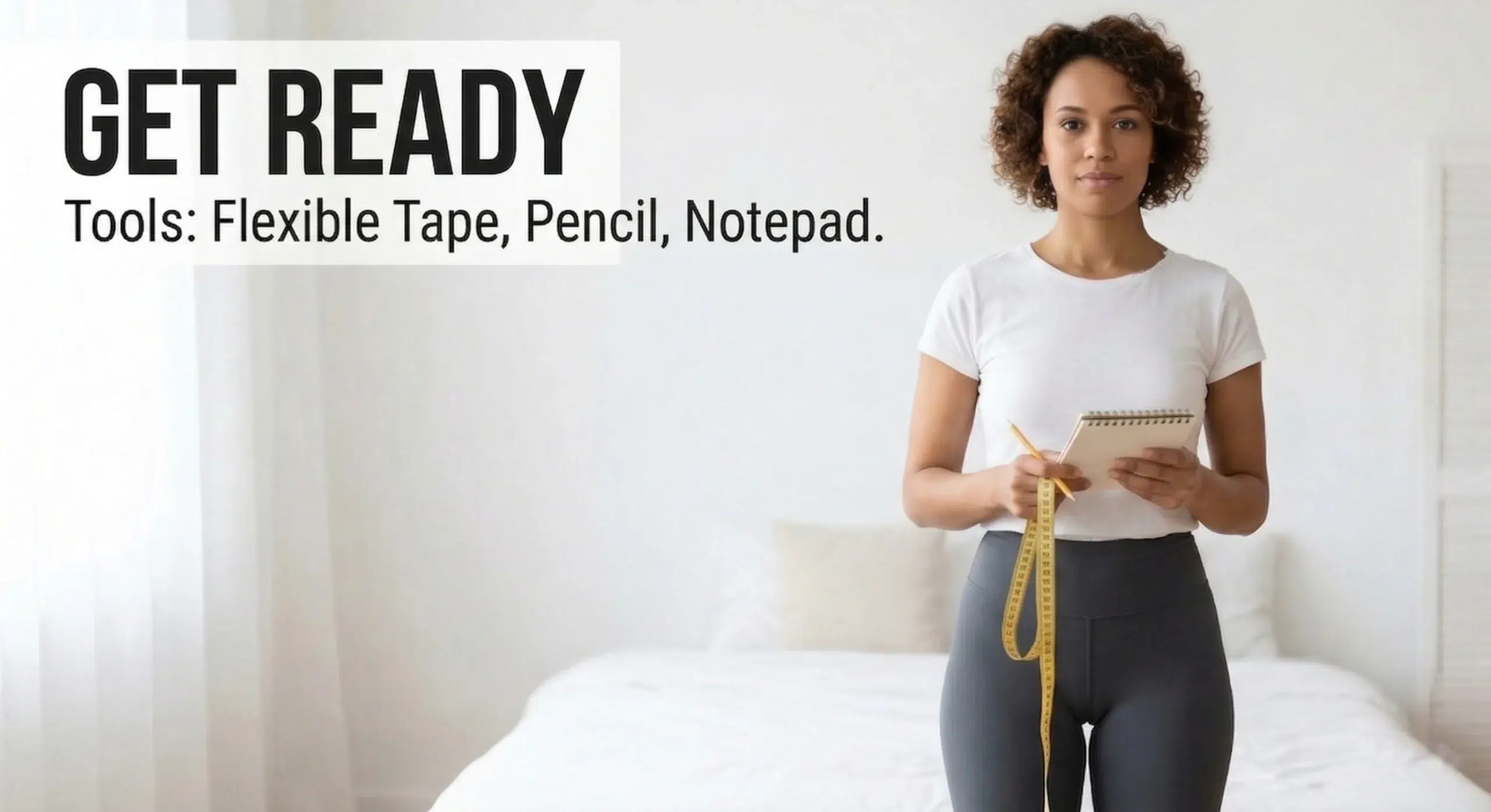
Scrub Size Chart Template: How to Collect Measurements from Teams
You’ve selected the fabric and chosen the supplier. Finally, everything is all set. If you’re a hospital procurement manager, aren’t you feeling a sense of relief at this point?
However, things aren’t quite that simple. You’ll soon discover that there’s still a tricky problem to solve: how can you ensure that the sizes reported by healthcare staff are accurate? If only a few people find that the scrubs they receive don’t match the sizes they reported. The issue can still be resolved by exchanging them for the correct size.
But if more than half or even two-thirds of the staff find their sizes don’t fit. The situation becomes significantly more difficult to manage. When confirming the specific production quantities for each scrub with the manufacturer. You should first ensure the accuracy of the size measurement data.
So how can you take measurements to get it right the first time? And avoid the hassle of returns? This guide will teach you how to measure your own size correctly. And find the perfect fit!
About This Sizing Guide
This guide is written for procurement managers and sourcing teams who need to ensure the accuracy of size measurement data before confirming bulk production quantities. Lano Wear operates from a vertically integrated manufacturing perspective, focusing on reducing procurement risks and avoiding the hassle of returns through precise, verified measurement methods.
Understanding Surgical Gown Size Charts
First, let’s look at what parameters are typically included in a surgical gown size chart. Example:
| Measurement Point | Men's (inch / cm) | Women's (inch / cm) |
|---|---|---|
| SCRUB TOP SPECIFICATIONS | ||
| Chest Circumference | 44.0" / 111.8 cm | 47.5" / 120.7 cm |
| Waist (Top) | 21.0" / 53.3 cm | 20.0" / 50.8 cm |
| Sweep / Bottom Opening | 21.0" / 53.3 cm | 23.0" / 58.4 cm |
| Shoulder Width | 19.0" / 48.3 cm | 20.0" / 50.8 cm |
| Sleeve Opening Cir. | 8.0" / 20.3 cm | 8.5" / 21.6 cm |
| Bicep Circumference | 16.0" / 40.6 cm | 18.0" / 45.7 cm |
| Sleeve Length | 9.0" / 22.9 cm | 9.0" / 22.9 cm |
| Neck Circumference | 16.5" / 41.9 cm | 17.0" / 43.2 cm |
| Top Length | -- | -- |
| SCRUB PANTS SPECIFICATIONS | ||
| Waist (Relaxed) | 34-36" / 86.4-91.4 cm | 38-40" / 96.5-101.6 cm |
| Waist (Extended) | 20.0" / 50.8 cm | 17.0" / 43.2 cm |
| Outseam Length | 38.0" / 96.5 cm | 40.0" / 101.6 cm |
| Hip Circumference | 21.0" / 53.3 cm | 23.0" / 58.4 cm |
| Front Rise | 10.0" / 25.4 cm | 11.0" / 27.9 cm |
| Inseam | 32.0" / 81.3 cm | 32.0" / 81.3 cm |
| Thigh Circumference | 28.0" / 71.1 cm | 27.0" / 68.6 cm |
| Leg Opening Cir. | 15.0" / 38.1 cm | 14.0" / 35.6 cm |
A standard women’s scrubs size chart typically includes measurements. Such as height, weight, waist circumference, hip circumference, and inseam. For tops, the chart usually also includes sleeve length and bust measurements. Let’s assume this is the manufacturer’s size chart. With this information, how do you determine which size is right for you? Generally, there are several scenarios:
Borderline Measurements
What should you do if one of your measurements falls on the borderline? For example, if you weigh 50 kg. Should you choose size S or M for your scrubs?
First, this situation is very common. If one of your measurements falls on the borderline. You can make your choice based on the following guidelines:
If the fabric has no stretch and the cut is fitted, choose one size larger
If it’s a standard fit, you can cross-reference other measurements to make a decision. For example, if you weigh 50 kg and your hip measurement is 100 cm. Don’t hesitate—go with size M.
Of course, if by some chance all your measurements fall right on the borderline. What should you do?
Here’s our advice: choose the smaller size for a more fitted look; choose the larger size for a looser fit.
Unique Size Requirements
If you have a relatively unique body type. Such as broad shoulders, short legs, or a larger hip circumference. You can work directly with the factory to custom-order scrubs in special sizes.
If you are exceptionally tall or petite. You can also custom-order scrubs in special sizes.
If you have short legs. You can choose your top in the regular size. And your pants one size smaller (provided your weight allows you to fit into them).
For these types of custom-sized scrubs. You need to inform the sourcing managers in advance. The sourcing managers will note this in the size quantity report sent to the manufacturer. This will help ensure you find the most suitable scrub sizes.
The Importance of the Scrub Size Chart
Be sure to check the manufacturer’s scrub size chart. We cannot stress this enough. Remember, the numbers on the size label aren’t what matter. What matters is whether the garment actually fits you well. A “size 34” from one brand might fit the same as a “size 32” from another. Trust your actual measurements, not the label. The scrub size chart is arguably your best tool when deciding which size to choose.
Given the variations in sizing across different manufacturers and styles. The size chart serves as the primary reference standard. It helps avoid inaccuracies that come from relying solely on experience when selecting sizes. A proper scrub size chart can significantly reduce procurement risks. Especially during bulk purchases, accurate use of the scrub size chart can minimize returns and exchanges due to poor fit, as well as excess inventory. Reducing additional costs.
The scrub size chart is a very important tool for selecting the right size.
Key Takeaway
The most sensible starting point for bulk procurement is understanding that labels vary significantly across different brands; what matters is whether the garment actually fits. Trusting actual measurements rather than relying solely on experience is the best tool to minimize returns, exchanges, and additional procurement costs.
How to Correct Measurements
To ensure that the team submits accurate data. There is one particularly crucial step.
That step is understanding how to measure correctly.
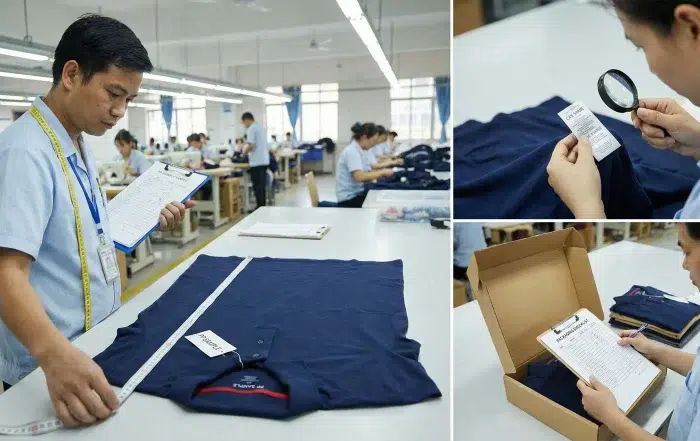
A scrub size chart is only useful when the data is precise. Each team member should follow these measurement methods:
- Chest: Measure the fullest part of your chest. Breathe normally.Ensure the tape lies flat.
- Waist: Measure where the pants waistband naturally sits. Keep the tape snug. Not tight.
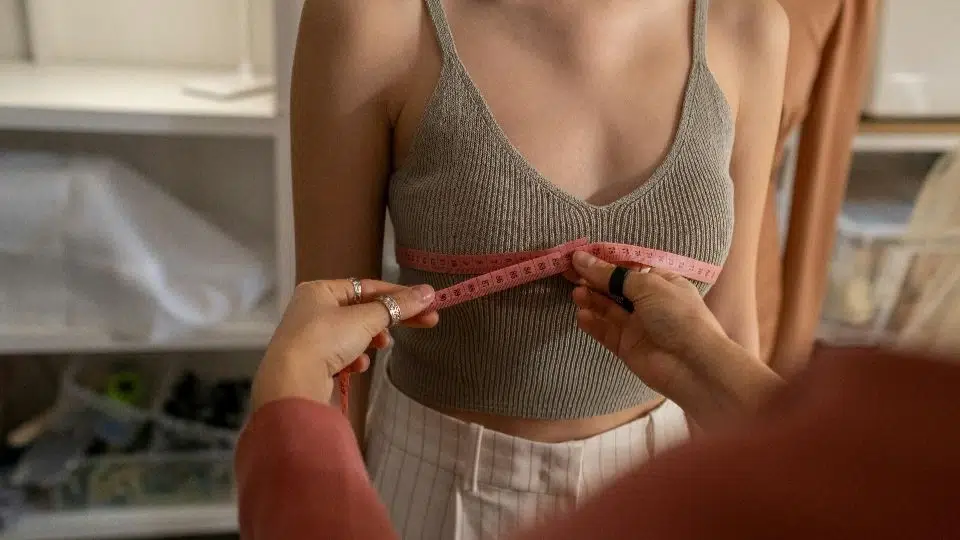
3.Hip circumference: Measure the widest part of the hips. Follow the same method as the chest.
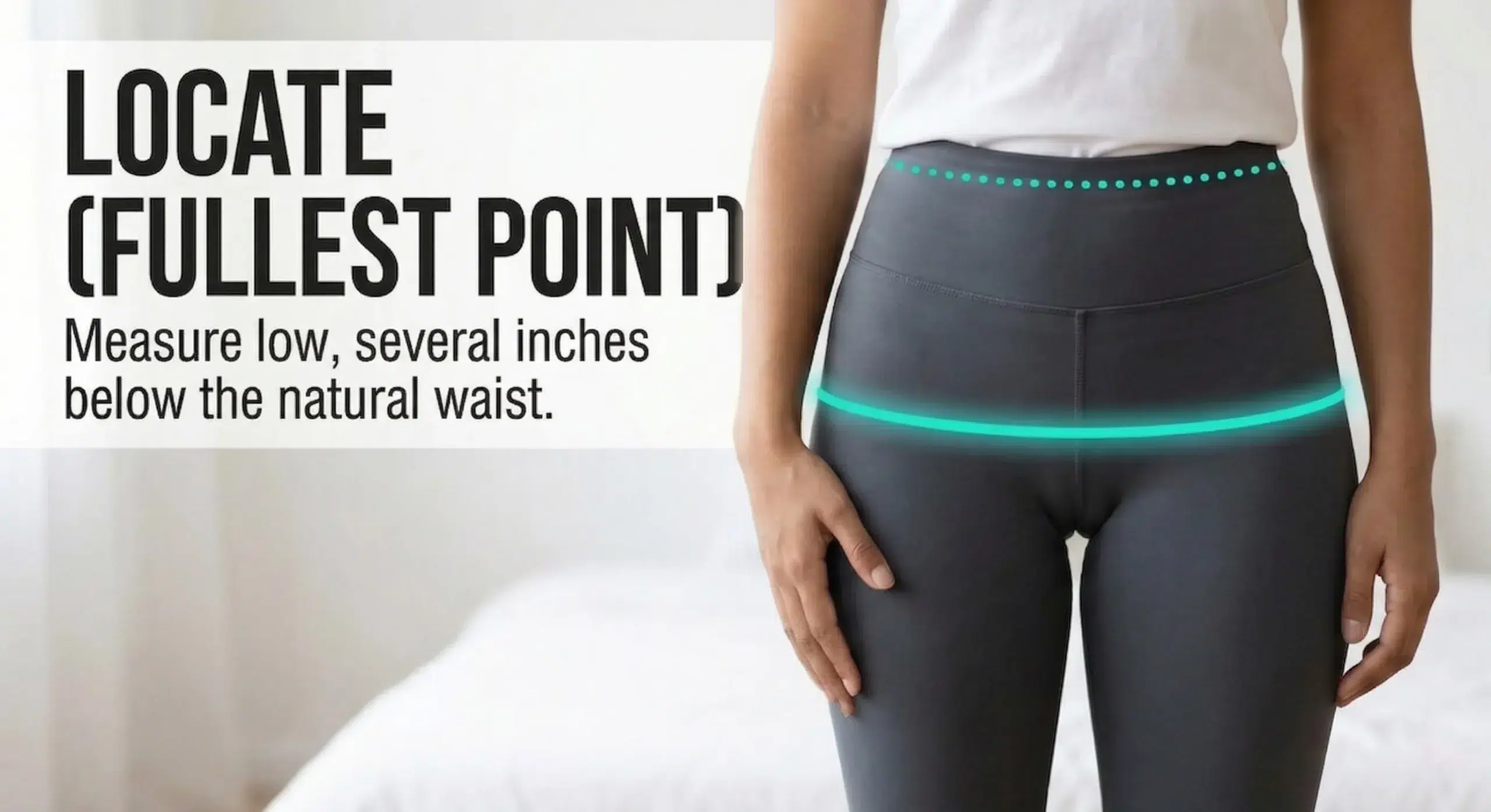
4.Inseam: Measure from the crotch to the ankle bone.
5.Sleeve length: Shoulder seam down to the wrist bone.
6.Torso length: The highest point of the shoulder to the hip bone.
Precision is the Foundation of Comfort
Placing a bulk production order is a significant milestone, and ensuring that every team member feels confident in their uniform starts with data. A scrub size chart is a powerful tool, but its effectiveness relies entirely on the precision of the measurements provided.
Before submitting your final quantity report to Lanowear, we strongly recommend a secondary verification of all team data . This simple step eliminates the hidden costs of returns and ensures your hospital procurement process remains seamless and efficient.
Need a more tailored solution? Beyond our standard guides, Lanowear provides bespoke scrub size charts specifically designed for your team’s unique requirements.
Request Your Custom Size Chart
Need help turning your team's sizing requirements into a standardized bulk production plan?
Talk with the Lano Wear team about a custom scrubs programFAQ
What should I do if my measurement falls on the borderline?
If the fabric has no stretch and the cut is fitted, choose one size larger. For standard fits, cross-reference other measurements—for example, if you weigh 50 kg but your hip measurement is 100 cm, go with size M. Generally, choose the smaller size for a more fitted look, or the larger size for a looser fit.
How do we handle staff with unique body types, like short legs or broad shoulders?
If you have a unique body type, such as broad shoulders or if you are exceptionally tall or petite, you can work directly with the factory to custom-order scrubs in special sizes. For instance, if you have short legs, you can choose your top in the regular size and your pants one size smaller, provided your weight allows it. Please inform your sourcing managers in advance.
Why can't our staff just use the sizes they normally wear from other brands?
The numbers on the size label aren’t what matter; what matters is whether the garment actually fits you well. A “size 34” from one brand might fit the same as a “size 32” from another. Given the variations in sizing across different manufacturers, trusting your actual measurements and the specific size chart is the best way to avoid inaccuracies.
How should we measure the chest and waist correctly?
For the chest, measure the fullest part while breathing normally, ensuring the tape lies flat. For the waist, measure where the pants waistband naturally sits, keeping the tape snug but not tight. Accurate measurement data is the foundation of a successful bulk purchase.